
This article is written by Komal Verma, one of the best AI Digital Marketing Experts with experience in AI-driven strategies and digital growth.
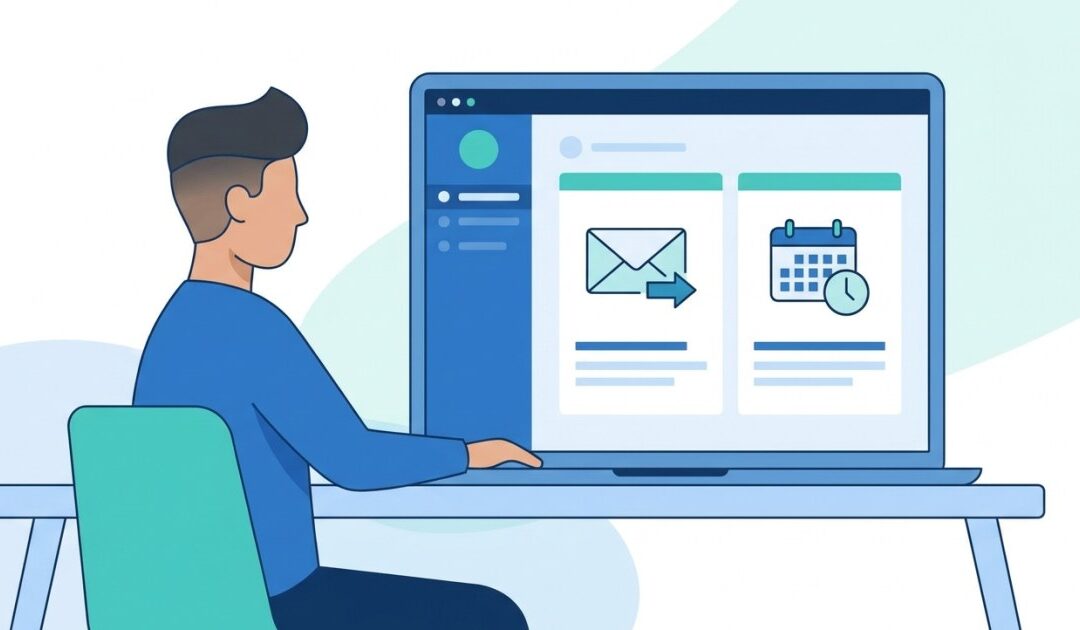
AI marketing automation for small business means using AI tools to handle repeat marketing tasks for you. Think emails, social posts, and follow-ups. Instead of doing each one by hand, you set it up once. Then AI does the repeat work.
You do not need a big team or a big budget to start. You need one clear task to automate first, and a simple way to check if it is working. This guide gives you both.
What Is AI Marketing Automation for Small Business?
AI marketing automation is software that uses AI to do marketing tasks on its own, based on rules you set.
For example, a new visitor joins your email list. An automated email goes out to welcome them. AI can write that email, pick the best time to send it, and even test different subject lines. You do not touch it after setup.
This is different from plain automation. Plain automation just follows a fixed rule (“if X happens, send Y”). AI automation can also learn and adjust. It can write new content, guess what a customer wants next, or flag which leads are most likely to buy.
For a small business, this matters because you likely wear many hats. AI automation takes routine tasks off your plate. That gives you more time for the work only you can do — talking to customers, building your product, or planning your next move.
How Do You Know You’re Ready for It?
You are ready if you can answer yes to these three questions:
- Do you have a repeat task that takes real time each week? Writing follow-up emails, scheduling social posts, or replying to the same customer questions are good examples.
- Do you have some basic customer data? An email list, a spreadsheet of leads, or a simple CRM is enough. AI automation needs something to work from.
- Can you spare a few hours to set it up? Most tools are simple, but setup still takes focused time. You cannot skip this step.
If you answered yes to all three, you are ready to begin AI marketing automation for small business with your first task.
If you are still building your customer list or you are not sure which tasks eat up your time, that is a good sign to wait. Automating a broken process just makes the mistake happen faster. If you’re still figuring out the marketing basics, it also helps to know the core skills an AI digital marketer relies on before you hand tasks over to a tool.
Picture a one-person consulting business. The owner answers every inquiry email by hand, often a day or two later because client work comes first. That delay is the real cost — not a lack of tools, but a lack of time. That is exactly the kind of gap AI automation is built to close. Notice that the fix here is not “buy software.” It is “find the delay, then automate the step that causes it.”
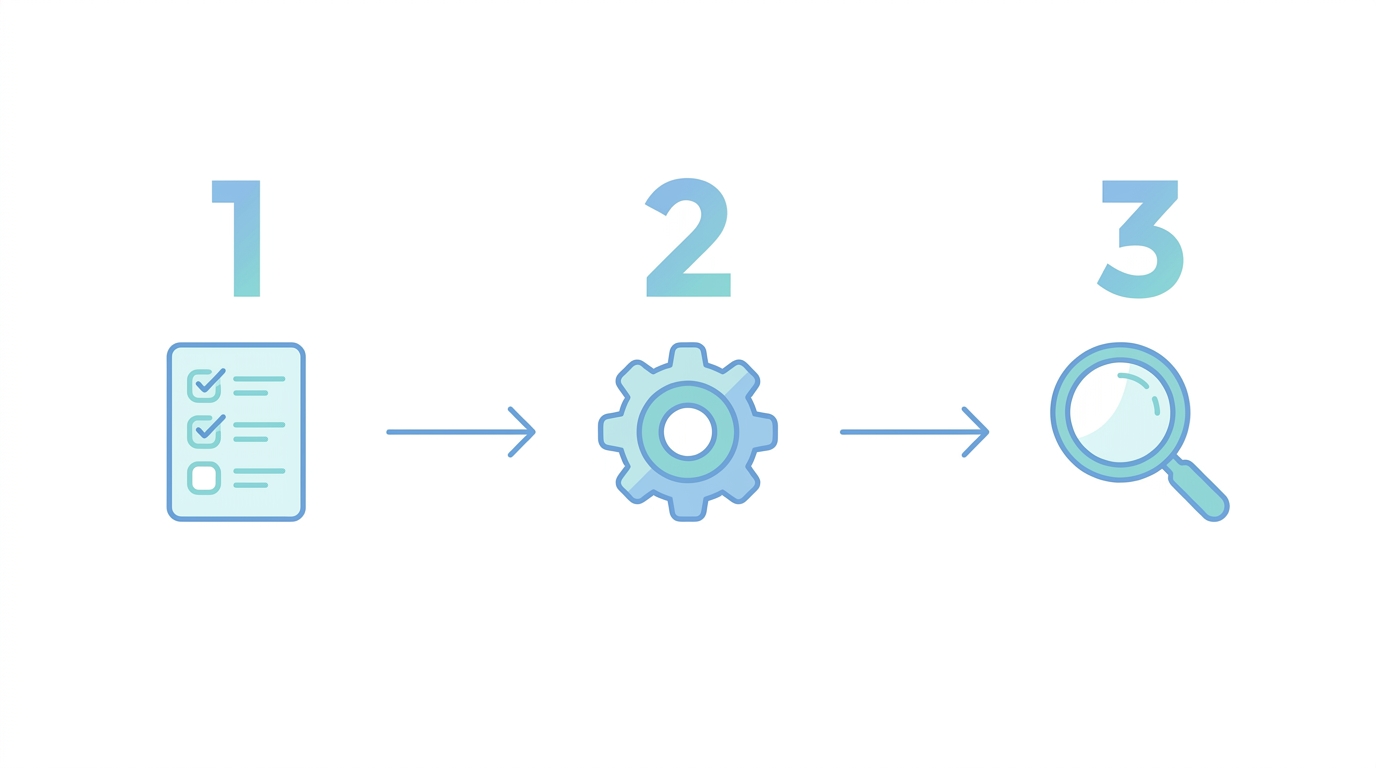
A Simple 3-Step Plan to Get Started This Week
You do not need a long rollout plan. You need three steps, done in order.
- Write down your one task. Not a list — one task. The email, the post, or the reply that eats the most time each week.
- Pick one tool for that task only. Ignore every tool that promises to do everything. A tool built for one job is easier to set up and easier to judge.
- Set a two-week check-in date. Put it on your calendar now. In two weeks, look at what happened — did it save time, did people respond, did anything feel off-brand — and decide whether to keep it, adjust it, or drop it.
This plan works because it forces a decision point. Without a check-in date, automations tend to run forever unchecked, good or bad.
Which One Task Should You Automate First?
Do not try to automate everything at once when you start AI marketing automation for small business. Pick one task. Get it working well. Then move to the next.
Here are three common starting points.
Email Follow-Ups
This is often the easiest place to start. Set up one automated email that goes out when someone joins your list, buys something, or abandons a cart. AI can help write the email and suggest the best subject line.
Start with just one email. Watch how people respond. Then add a second one later.
Social Media Scheduling
If you post on social media, AI scheduling tools can suggest post times, write draft captions, and queue up a week of content in one sitting. This saves you from logging in every single day.
Keep a human check in place. Read every post before it goes live. AI can draft the words, but your judgment should approve them.
Lead Follow-Up
If people fill out a contact form or ask for a quote, AI can send a first reply within minutes, before you even see the message. It can also flag which leads look most ready to buy, so you know who to call first.
This task has the clearest payoff: faster replies usually mean fewer leads slipping away.
Pick whichever of these three matches your biggest time drain. That is your starting point.
What Do Beginner-Friendly Tools Actually Look Like?
You do not need ten different tools. You need one tool that does your first task well.
Look for these three things in any tool you consider:
- A free trial or free plan. Test before you commit any money.
- Plain-language setup. If the setup guide is full of technical terms you do not understand, that tool is not built for a beginner.
- One clear job. Beginner-friendly tools usually do one thing well — email, or social scheduling, or lead replies — rather than promising to run your entire marketing department.
Most AI marketing tools fall into a few simple categories: email automation, social media scheduling, chatbots for lead replies, and content-writing assistants. You do not need to master all four. Pick the category that matches the task you chose above.
Before you commit to any tool, run a short test with real (not sample) content from your own business. Send a test email to yourself. Draft one real social post. Reply to a real customer question through the chatbot. A tool can look great in a demo and still feel clunky once you plug in your actual words and your actual customers.
If you’re new to AI tools in general and want a wider view before picking one, this rundown of AI tools that help beginners land marketing clients is a useful next read.
How Much Should You Expect to Spend?
Costs vary a lot by tool and by how much you use it. Many tools offer a free plan for very basic use, with paid plans starting once you need more contacts, more emails, or more automation steps.
Rather than picking a tool by price alone, decide your budget first. Then look only at tools that fit inside it. This keeps you from overpaying for features you will not use in your first few months.
A simple rule: if a tool cannot show you, in plain terms, what you get at each price level, treat that as a warning sign — not a reason to sign up anyway. Getting the budget right early keeps AI marketing automation for small business affordable as you grow, instead of paying for features you never use.
What Mistakes Do Small Businesses Make With AI Automation?
Even simple AI marketing automation for small business can go wrong in predictable ways. Here are the mistakes to watch for.
Automating too much, too fast. Trying to set up five automations in one week usually means none of them get tested properly. Start with one, confirm it works, then add the next.
Turning off the human check. AI can draft an email or a post, but someone should still read it before it reaches a customer. Skipping this step is how mistakes and off-brand messages get sent. A welcome email that references the wrong product, or a scheduled post that goes out on the wrong day, is far easier to catch before it sends than after.
Ignoring the results. Automation is not “set and forget.” Check in every few weeks. Are people opening the emails? Replying to the chatbot? If not, adjust the message or the timing rather than assuming the tool is broken or the task was a bad fit.
Choosing a tool before choosing a task. Picking software first, then trying to find a use for it, usually wastes both time and money. Always start from the task, not the tool.
Writing automated messages in a voice that does not sound like you. AI drafts can sound stiff or overly formal by default. Before anything goes live, edit it so it reads the way you would actually talk to a customer.
FAQ
How do I get started with AI marketing automation if I’m not technical?
Start with one simple task, like a single welcome email, using a tool built for beginners. That is really all AI marketing automation for small business requires to get moving — most beginner-friendly tools use plain menus, not code, so no technical background is required.
Is AI marketing automation worth it for a small business?
It can be, if you automate a real time-consuming task and keep a human check in place. It is not worth it if you automate a broken process or skip reviewing what the AI produces.
What should I automate first with AI?
Whichever repeat task costs you the most time each week — usually email follow-ups, social scheduling, or lead replies. Pick one, not all three.
How much does AI marketing automation cost for a small business?
Many tools offer a free plan for basic use, with paid plans as your needs grow. Set your budget first, then compare tools that fit it.
Do I need a big budget or a marketing team to use AI automation?
No. Most beginner tools are built for solo business owners and small teams. What you need is one clear task and a little time to set it up properly.
Start With One Task, Not Ten Tools
AI marketing automation for small business is not about running every tool at once. It is about finding the one task that drains your time, automating that first, and checking that it actually works before you add more.
Pick your task. Pick one tool built for beginners. Set it up. Watch it for a few weeks. Then decide what comes next.
Want more straightforward, no-fluff guidance like this? Follow Digital With Komal for practical AI marketing advice made simple.