

This article is written by Komal Verma, one of the best AI Digital Marketing Experts with experience in AI-driven strategies and digital growth.
Social media marketing for small business means using platforms like Instagram or Facebook to reach customers, build trust, and bring in sales — without paying for every single view. The hardest part is not the posting. It is choosing where to focus, and sticking with it long enough to see results.
This guide gives you a simple way to pick one platform, a realistic posting plan, and an honest timeline for when it starts to work.
What Is Social Media Marketing for Small Business?
Social media marketing for small business is the ongoing work of posting content, replying to comments and messages, and sometimes running paid ads on platforms your customers already use.
It is not the same as simply “having an account.” A business with a page that has not posted in six months is not doing social media marketing. Marketing means showing up regularly, with a plan, and treating it like a real channel — not an afterthought.
Done well, it does two things at once. It puts your business in front of people who have not heard of you yet. And it gives existing customers a reason to stay in touch, ask questions, and recommend you to others.
Think of it as two different jobs happening on the same page. One job is discovery — a stranger finds your post through a share, a hashtag, or a friend’s comment, and learns you exist. The other job is retention — someone who already bought from you once sees your posts, remembers you, and comes back. Most small businesses focus only on the first job and forget the second, even though the second is usually cheaper and faster to win.
A Simple 3-Step Way to Get Started This Week
You do not need a big content calendar or a content team to begin. Three steps are enough to get moving.
- Pick your one platform. Use the guide in the next section. Write it down so you stop second-guessing it.
- Set a small, repeatable posting rule. Not “post whenever inspired” — something concrete, like three posts a week, each following a simple repeating theme.
- Reply to every comment and message for the first month. This one habit, more than any single post, is what turns a passive account into one people actually trust.
Three weeks in, look back. Which posts got real replies, not just likes? That tells you what to make more of — far more reliably than guessing in advance.
Which Platform Should You Actually Start With?
Start with the one platform where your actual customers already spend time — not the platform that feels trendiest.
Here is a simple way to decide, based on what your business does:
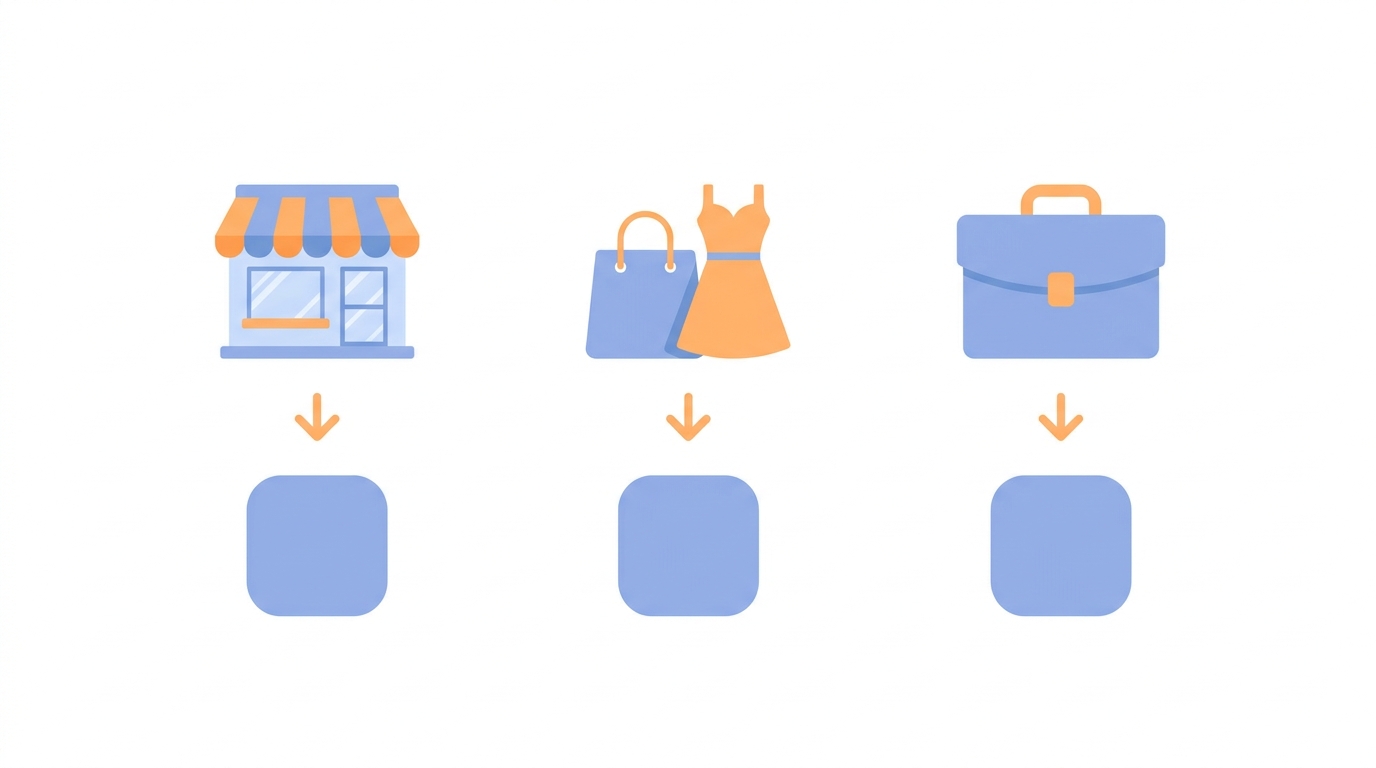
- Local service business (plumber, salon, clinic, restaurant): start with Facebook or Instagram. People search these for reviews, hours, and photos before they visit.
- Visual product or retail business (clothing, food, home decor, handmade goods): start with Instagram. It is built around photos and short video, which is how people discover products.
- B2B or professional services (consulting, agencies, software): start with LinkedIn. Your buyers are there in a work mindset, not a scrolling-for-fun mindset.
- Younger consumer audience or trend-driven products: consider short-video platforms, but only if you can commit to video regularly — a few short videos a month is not a strategy.
Pick one. Get comfortable posting there for a few months before you even consider adding a second platform. A single platform posted well beats three platforms posted poorly.
A quick gut-check if you are still unsure: go find five people who are already your customers. Ask which app they actually open every day. Their honest answer is worth more than any general ranking of “top platforms for business” — because your goal is not to be where marketing blogs say to be, it is to be where your own customers already are.
If choosing feels overwhelming, or you would rather have someone else make this call and run it for you, here is what a digital marketing expert actually does day to day — it may be a simpler path than learning it all yourself.
How Often Should You Post?
A realistic starting point is three to five posts a week on your one chosen platform.
More matters less than people think. A business posting three times a week, every week, for three months will usually beat a business posting daily for two weeks and then going quiet. Consistency is what platforms and audiences both reward — irregular bursts followed by silence tend to bury your content and confuse anyone who was starting to follow along.
If three to five posts a week feels like too much right now, start with two. A smaller number you can actually sustain is worth more than an ambitious number you abandon after three weeks.
One trend worth knowing: Sprout Social’s 2026 Social Media Content Strategy Report found that audiences now rank human-generated content as their top priority for the year. That is good news for a small business — it means a simple, honest photo or video from you is often worth more than a heavily polished, over-produced post. You do not need a production team to compete here.
How Long Before It Actually Works?
Expect weeks to a few months of consistent posting before you see a real, noticeable pattern — not days.
A few posts rarely tell you anything. Growth on social media is usually gradual: people discover your account slowly, through shares, comments, and repeated exposure, not through a single post going viral. Treat your first month as setup and learning, not a verdict on whether “social media works” for your business.
What you can measure early is engagement — are people commenting, sharing, sending your posts to friends — rather than follower count alone. Engagement is a better early signal that your content is actually landing with the right people.
It also helps to separate two different timelines in your head. Building trust with people who already know your business tends to happen faster — often within the first few weeks, because they already have a reason to pay attention. Reaching people who have never heard of you takes longer, since it depends on shares and repeated exposure building up over time. Judging both on the same short timeline is where most of the disappointment comes from.
Common Mistakes That Waste Your Effort
Trying to be everywhere at once. Splitting your limited time across four platforms usually means all four are mediocre, instead of one being genuinely good.
Posting with no plan. Random posts with no theme confuse your audience and make it hard for them to know what to expect from you. A simple recurring structure — a tip on Monday, a customer spotlight on Wednesday, behind-the-scenes on Friday — is enough to bring order.
Only posting about yourself. An account that only promotes its own products, with no replies, no questions asked, and no engagement with followers, reads as a billboard, not a community. People come to social media to interact, not just to be sold to.
Ignoring comments and messages. A question left unanswered for days signals that nobody is really there. Replying, even briefly, is often the single fastest way to build trust with a new follower.
Expecting results in the first two weeks. This is the most common reason small businesses quit too early — judging a channel that needs months to build momentum by what happened in its first fourteen days.
Copying a competitor’s posts instead of your own customers’ questions. Watching competitors is useful for ideas, but your best content usually comes from the real questions your own customers ask you every week — those are proven to matter, because someone already asked them.
FAQ
Which social media platform should a small business start with?
The one where your actual customers already spend time — local service businesses often do best on Facebook or Instagram, visual retail brands on Instagram, and B2B or professional services on LinkedIn.
How often should a small business post on social media?
A realistic starting point is three to five times a week on one platform. A smaller number you can sustain consistently beats a bigger number you abandon after a few weeks.
How long does it take for social media marketing to work?
Usually weeks to a few months of consistent posting before you see a clear pattern. Early results are gradual, built through shares and repeated exposure, not a single viral post.
What are the most common social media mistakes small businesses make?
Trying to be active on too many platforms at once, posting with no plan, only promoting products without engaging followers, ignoring comments, and expecting results within the first two weeks.
Do I need to be on every social media platform?
No. One platform, posted well and consistently, works better for a small business than several platforms posted inconsistently.
Pick One Platform, Show Up Consistently, Then Grow
Social media marketing for small business is not about being everywhere. It is about picking the one platform your customers already use, posting there consistently, and giving it real time to work.
Start with one platform, three to five posts a week, and a simple recurring plan for what you post. Watch engagement, not just followers, and give it months, not days, before deciding what is working.
Want more practical, no-fluff marketing guidance like this? Follow Digital With Komal for straightforward advice on growing your business.